

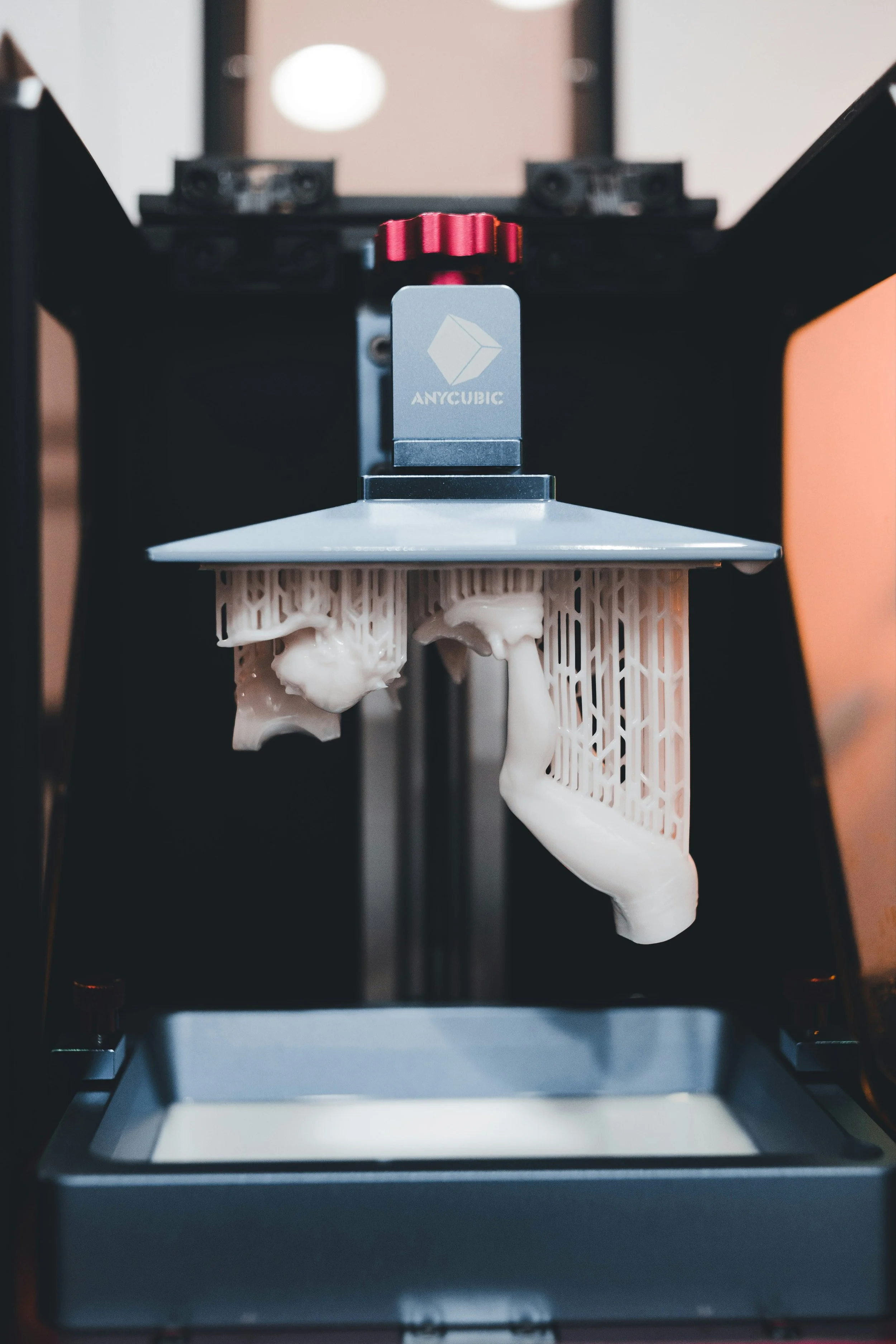
SLA
Ideal for high-detail prototypes, visual models, and complex geometries.
Smooth surface finish and excellent dimensional accuracy.
Parameters
Layer height: 0.05–0.1 mm
Typical tolerance: ±0.1–0.2 mm
Materials: Standard resin, ABS-like, Tough, Clear
Best for: housings, cosmetic parts, concept models
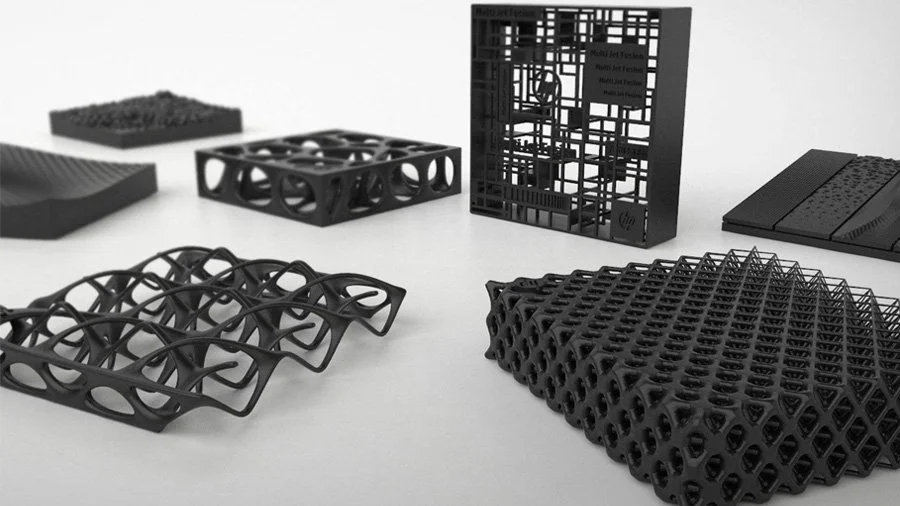
SLS
Best for functional parts requiring durability and mechanical performance.
No support structures, enabling complex geometries.
Parameters
Layer height: 0.1–0.15mm
Typical tolerance: ±0.2–0.3mm
Materials:PA12,PA+GF,PP,TPU
Best for:brackets, robotics parts, mechanical assemblies
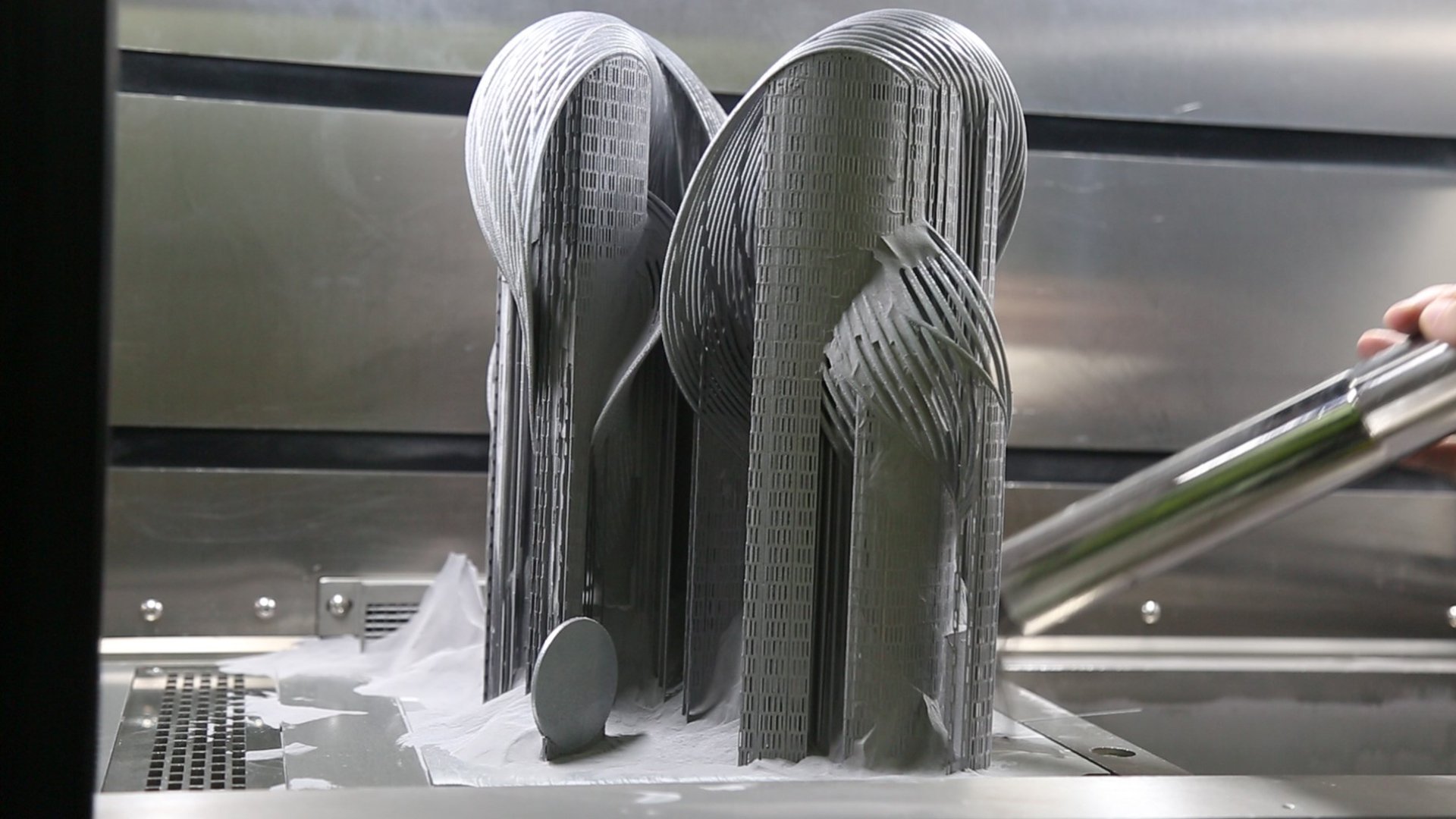
Metal 3D Printing(SLM / DMLS)
High-performance metal parts for engineering, tooling, and end-use applications.
Supports stainless steel, aluminum, and titanium alloys.
Parameters
Layer height: 0.03–0.05 mm
Typical tolerance: ±0.1–0.3 mm
Materials:316L, 17-4PH, AlSi10Mg, Ti6Al4V
Best for:high-strength prototypes, lightweight structures
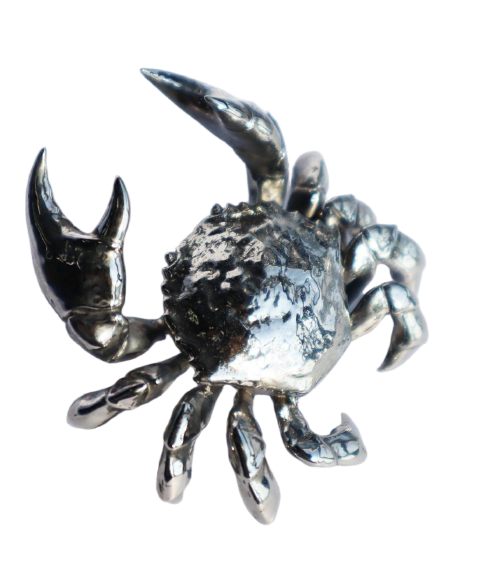
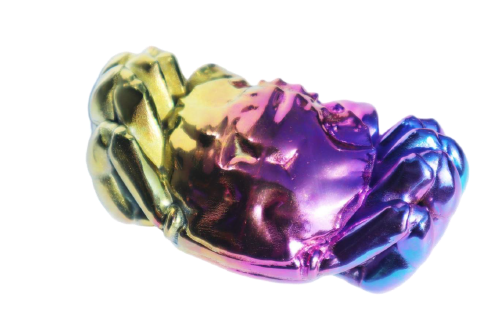
Titanium
High Strength, Tunable, and Low-Cost
Up to 2× the strength of standard CP-Ti and above conventional Ti-6Al-4V
REcycled& 90–95% material utilization, up to ~30% cost reduction
R-T1 ≥ 850 MPa UTS with 18–25% elongation
strength/ductility tailored via O/N control and pre-deformation
cold-forming powder process with low energy consumption
CNC Machining
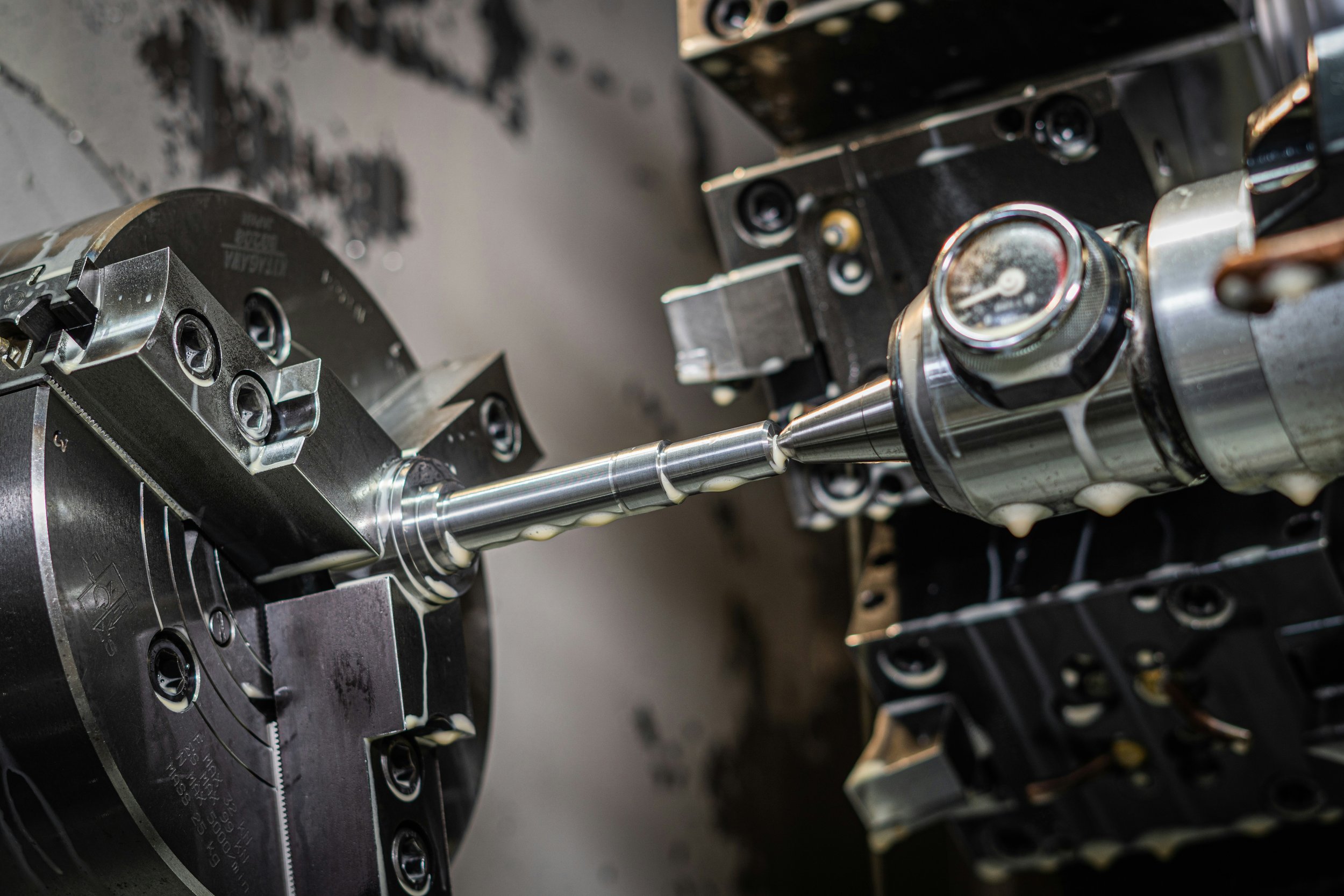
Production-grade parts with tight tolerances and high quality finishing.
Suitable for both metals and engineering plastics.
Parameters
Tolerance: ±0.05 mm (depending on geometry)
Materials:Aluminum 6061/7075, POM, ABS, PC, PMMA
Best for:functional prototypes, enclosures, brackets
SAMPLE
Crafts
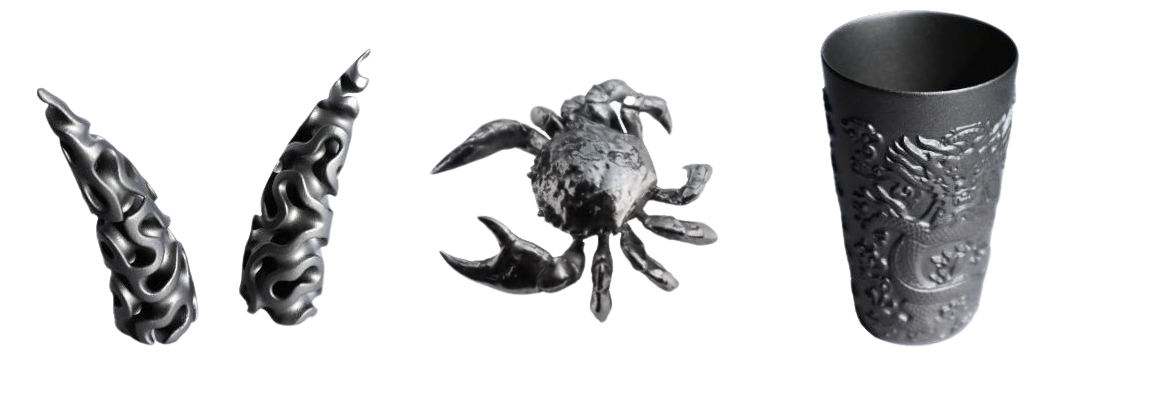
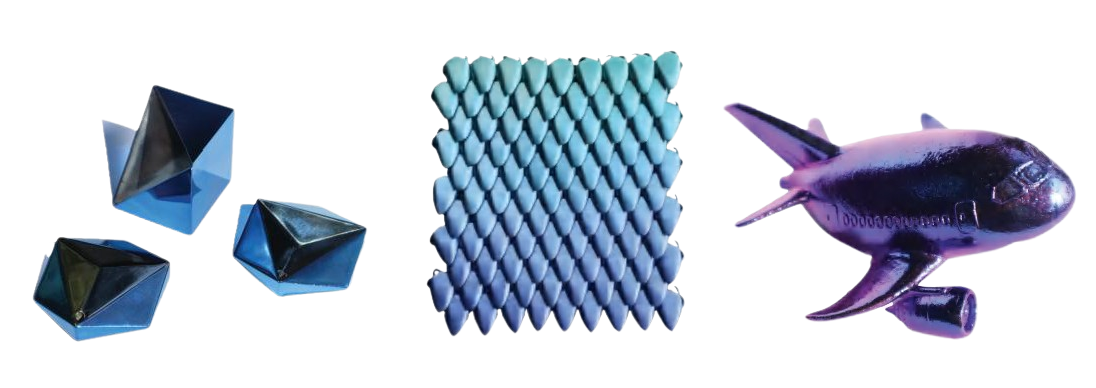
Souvenirs
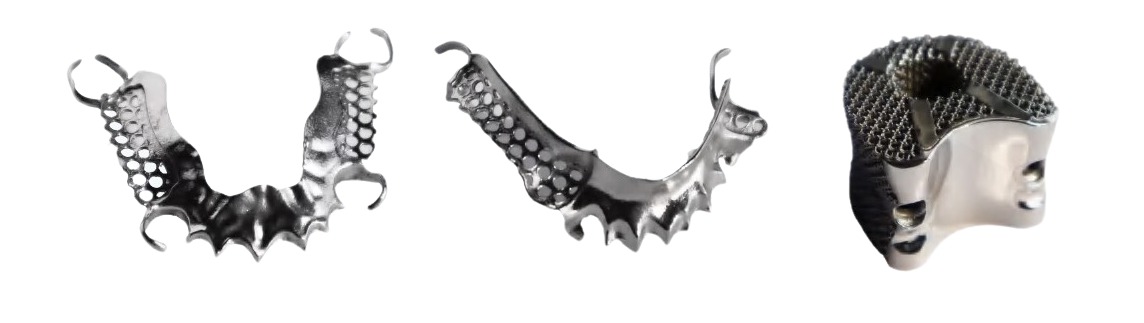
Medical Devices
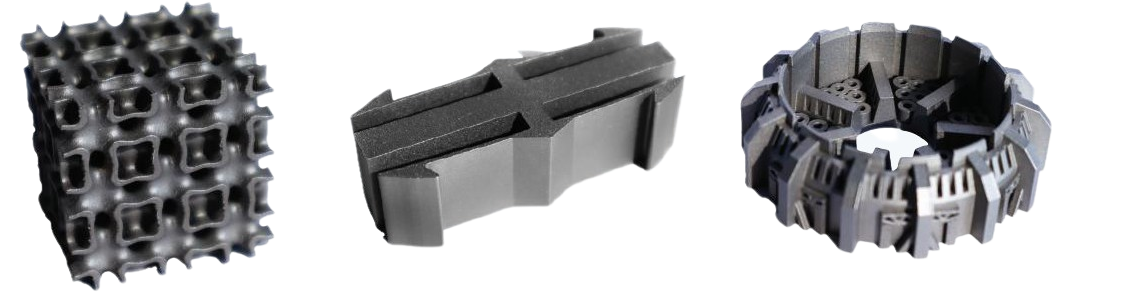
Industrial Components
Item
Typical materials
Surface finish
Strength & durabilit
Dimensional accuracy
Min. wall thickness
Best for
Not ideal for
Typical lead time
SLA Resin Prototyping
Standard, ABS-like, Tough, Clear resins
Very smooth, good for cosmetic parts
Moderate; good for light functional use
±0.1–0.2 mm (typical)
0.8–1.0 mm
Visual models, housings, show parts
Long-term load, high temperature
1–3 days
Process Comparison
SLS Nylon (PA12
PA12, PA12 + GF
Slightly rough, matte, can be tumbled
Good impact and fatigue resistance
±0.2–0.3 mm (typical)
0.8–1.0 mm
Functional prototypes, mechanical components
Mirror-like surfaces, transparent parts
2–4 days
Metal 3D Printing
316L, 17-4PH, AlSi10Mg, Ti6Al4V
Fine but grainy metal surface, needs finishing
Very high strength and temperature resistance
±0.1–0.3 mm, geometry-dependent
0.6–1.0 mm
High-value metal parts, complex internal features
Very low-cost prototyping, very large parts
4–7 days